Latest Accra features
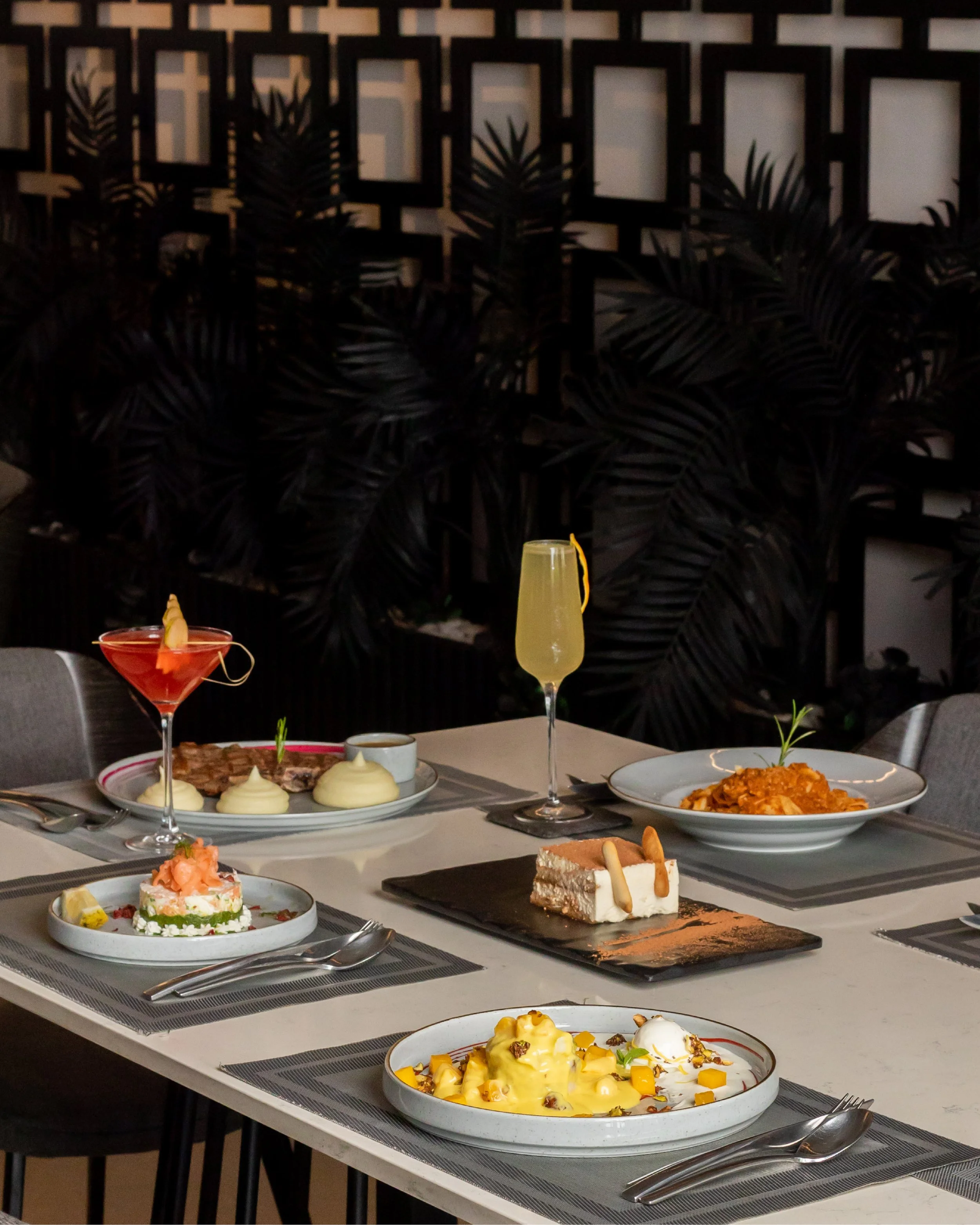
Ilona combines continental classics with bold reinventions. We spoke to the founder Shivv Jagtiani.
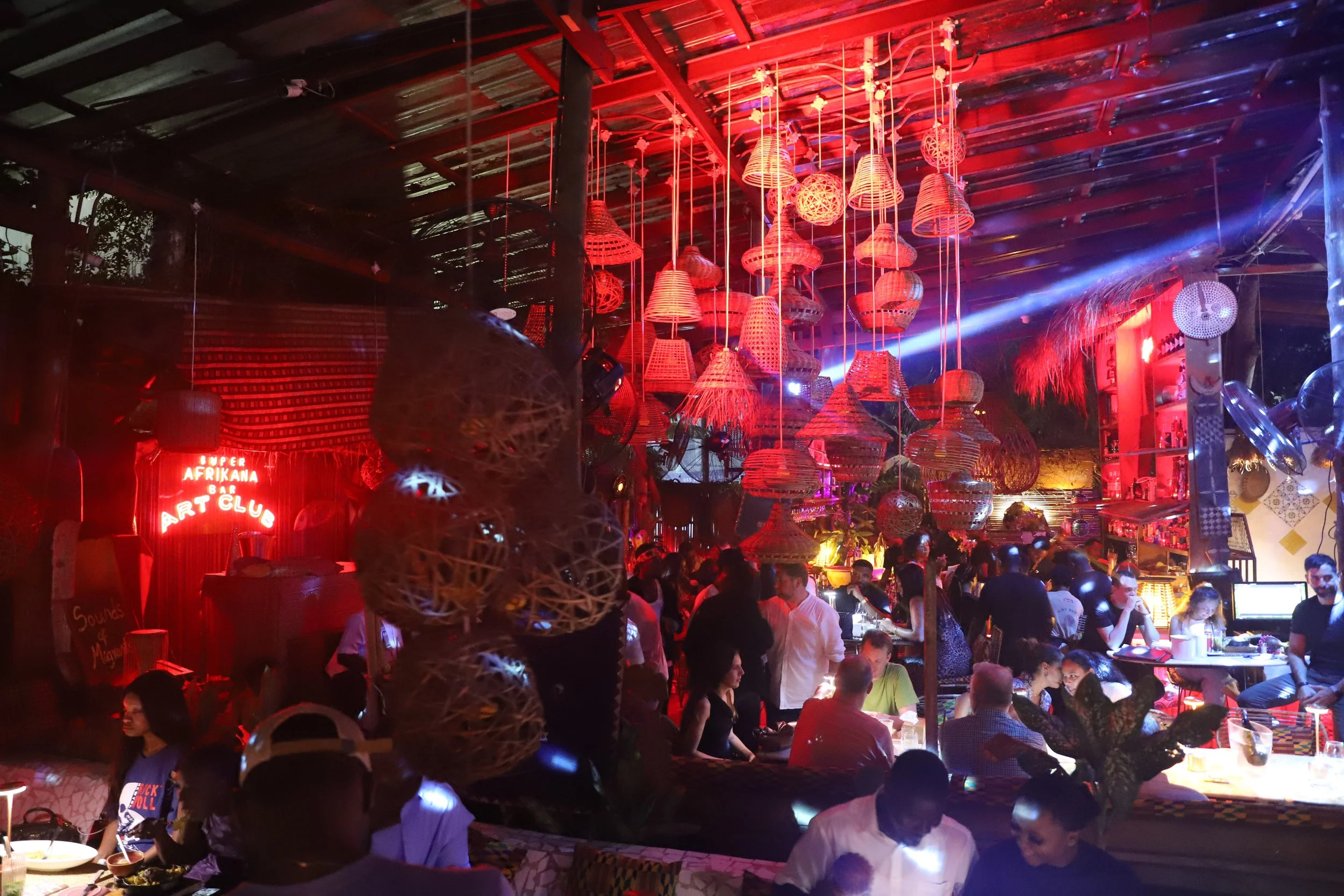
Forget quiet dinners, Accra’s hottest spots mix food with fashion, music and theatre, turning every night out into a performance.
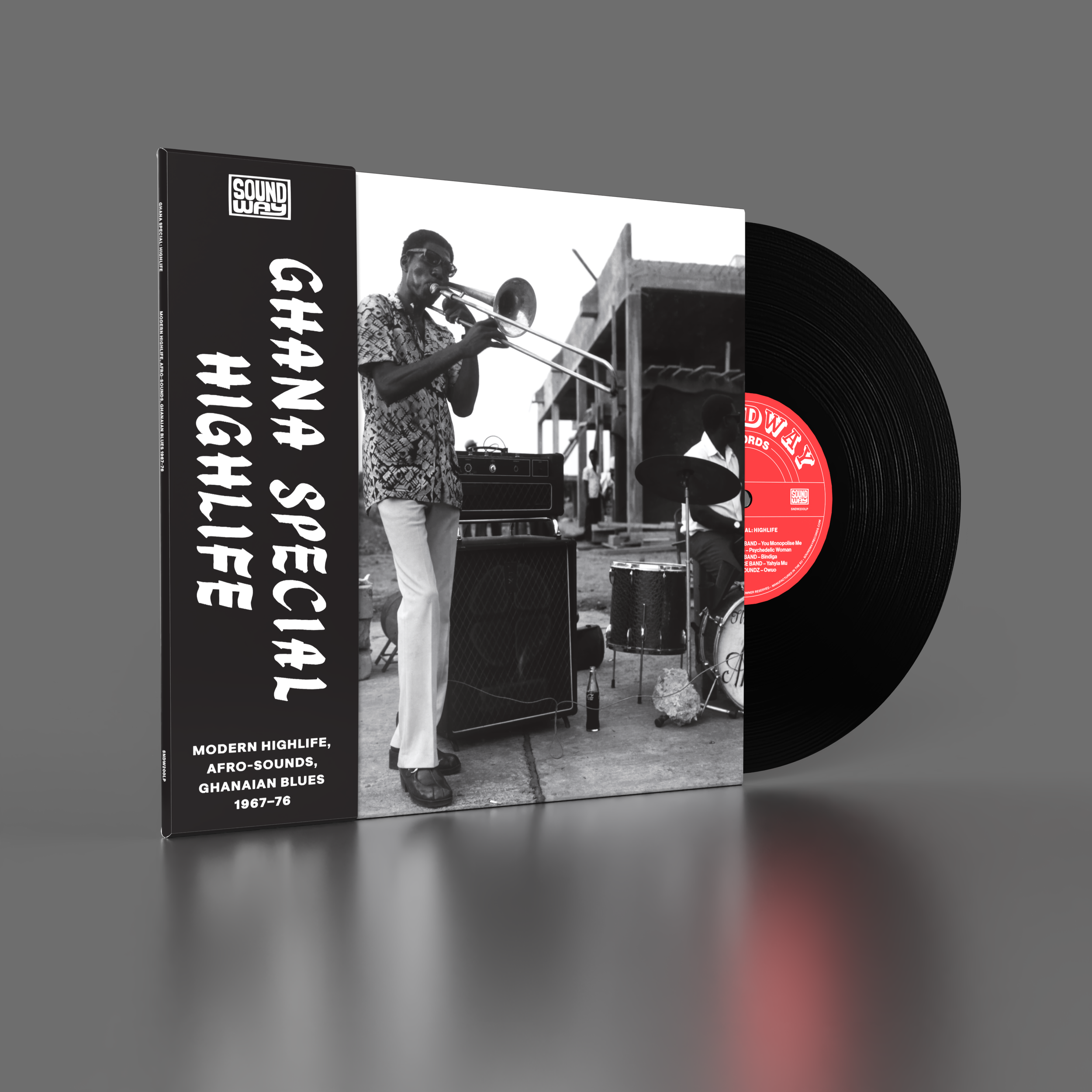
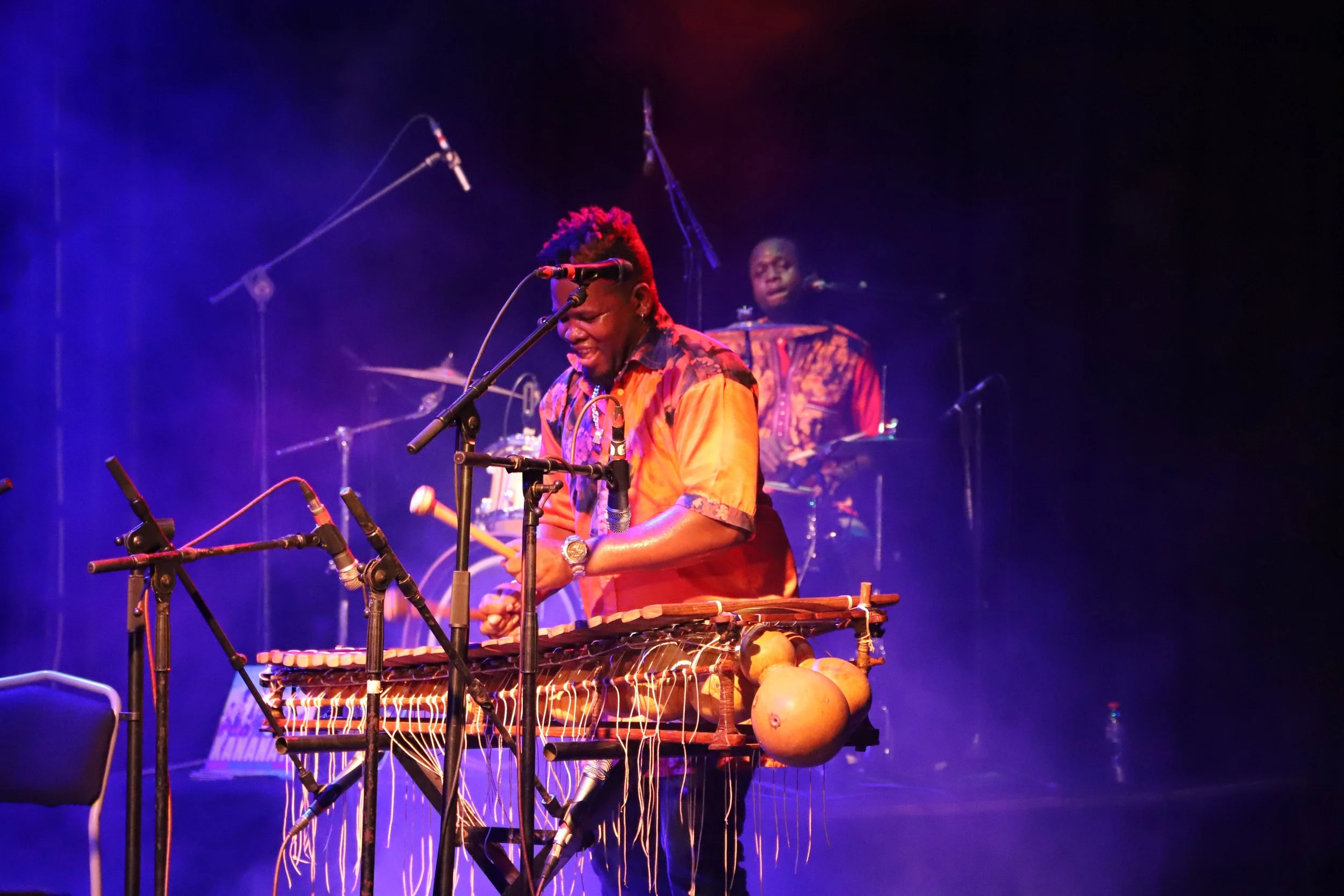
Records revisits Ghana’s golden era of rhythm and reinvention with Ghana Special: Highlife, a new single-LP edition that distills the electric fusion of highlife, soul, and psychedelia that defined the country’s sound for almost a decade from 1967 to 1976.
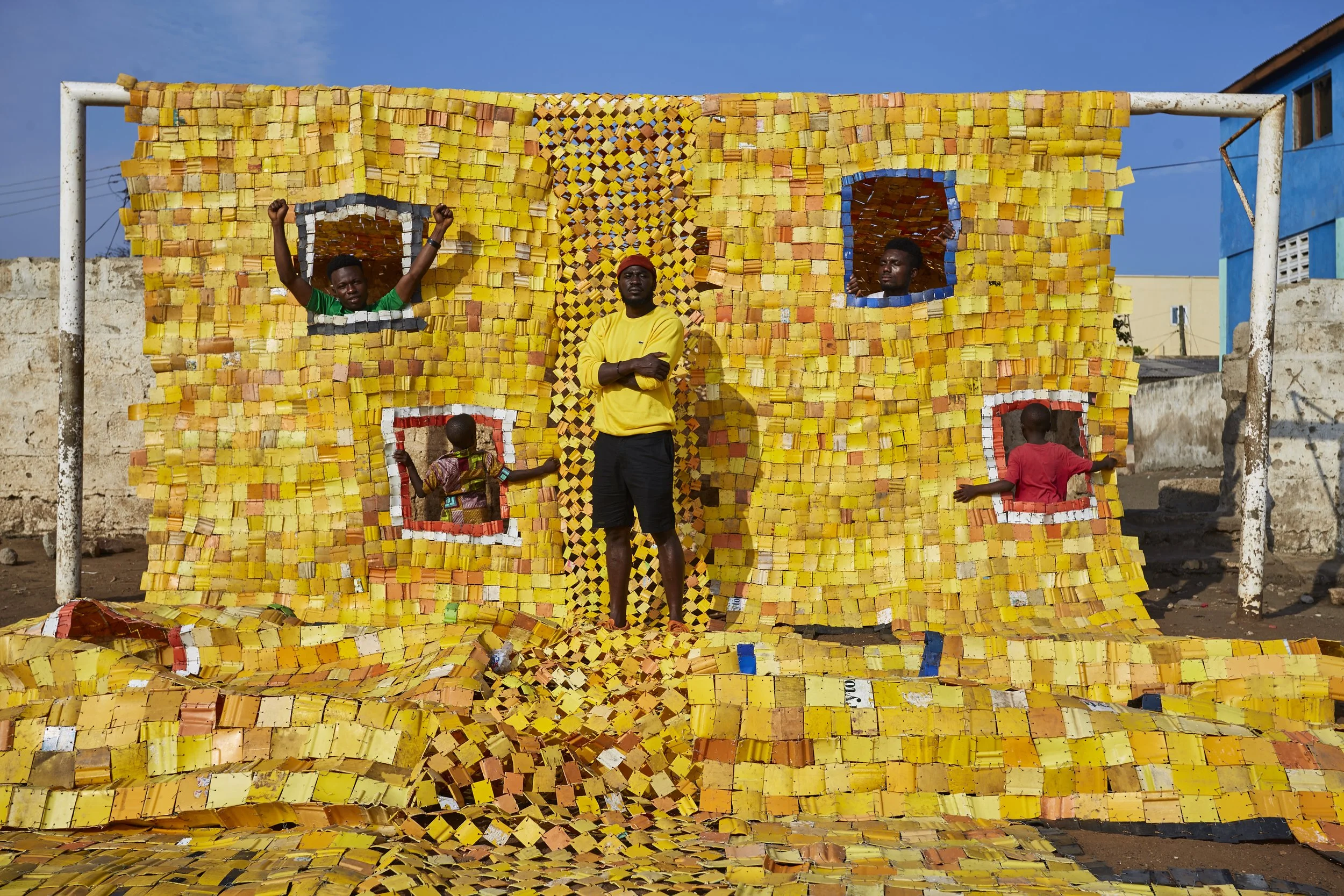
In the work of Serge Attukwei Clottey, Ghana’s artistic landscape finds one of its most vital and globally resonant voices. His yellow plastic tapestries, stitched from discarded gallon containers, speak not only to environmental urgency but also to the deep cultural and material entanglements that shape modern Ghana.
Through her project Wollo and the digital community, Ghanaian copywriter and illustrator Aku Addy is transforming social listening into civic storytelling, one conversation, one illustration and one neighbourhood at a time.
As Gallery 1957 continues to define Ghana’s place on the global contemporary art stage, its latest exhibition brings together strikingly distinct voices: painter Otis Kwame Kye Quaicoe and multidisciplinary artist Denyse Gawu-Mensah. Exhibited alongside Serge Attukwei Clottey (see page 52), their work deepens the conversation around identity, heritage and the evolving power of Ghanaian creativity.
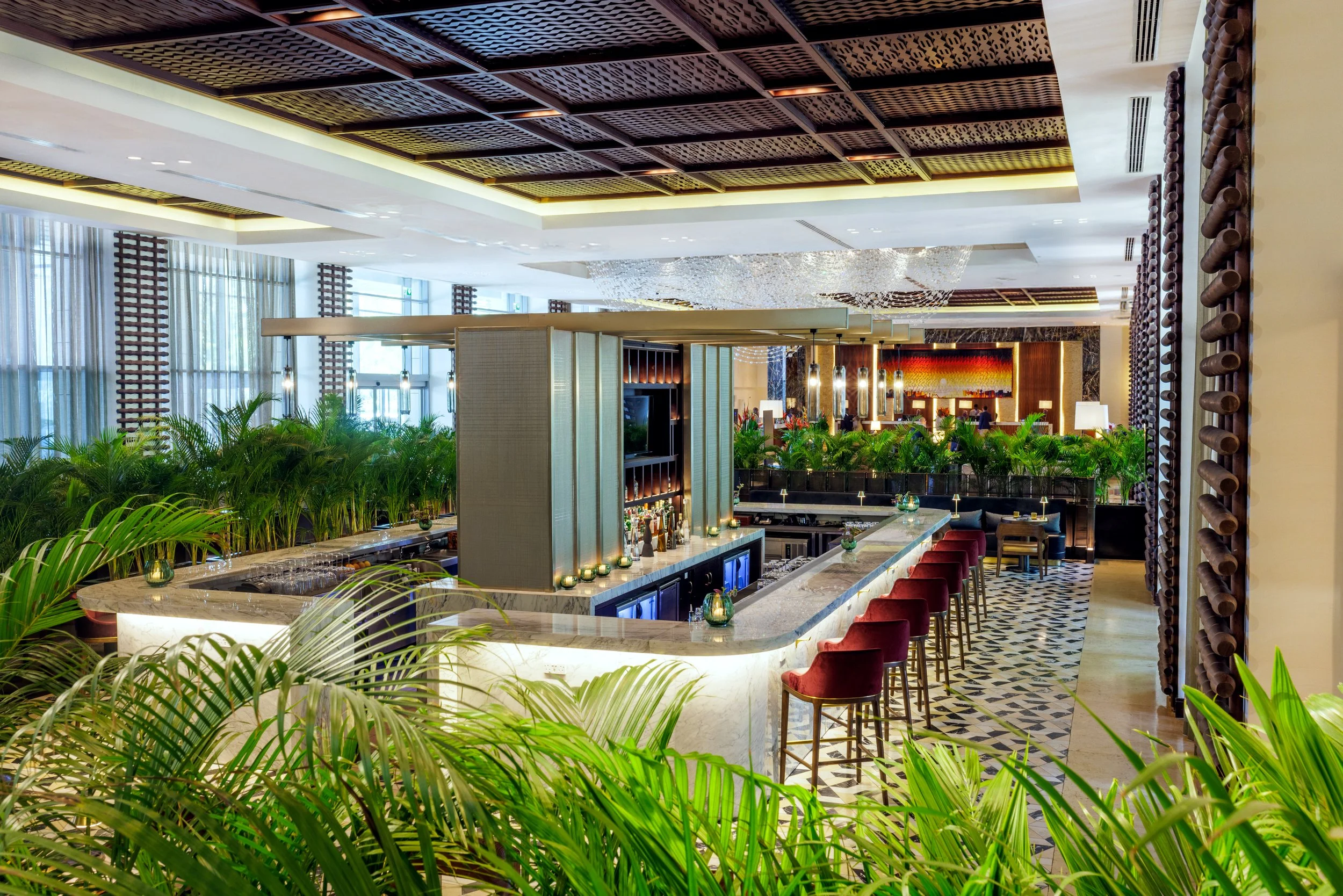
The Kempinski Hotel Gold Coast City’s new dining destination brings Asian-inspired flair and Ghanaian warmth together in one striking space.
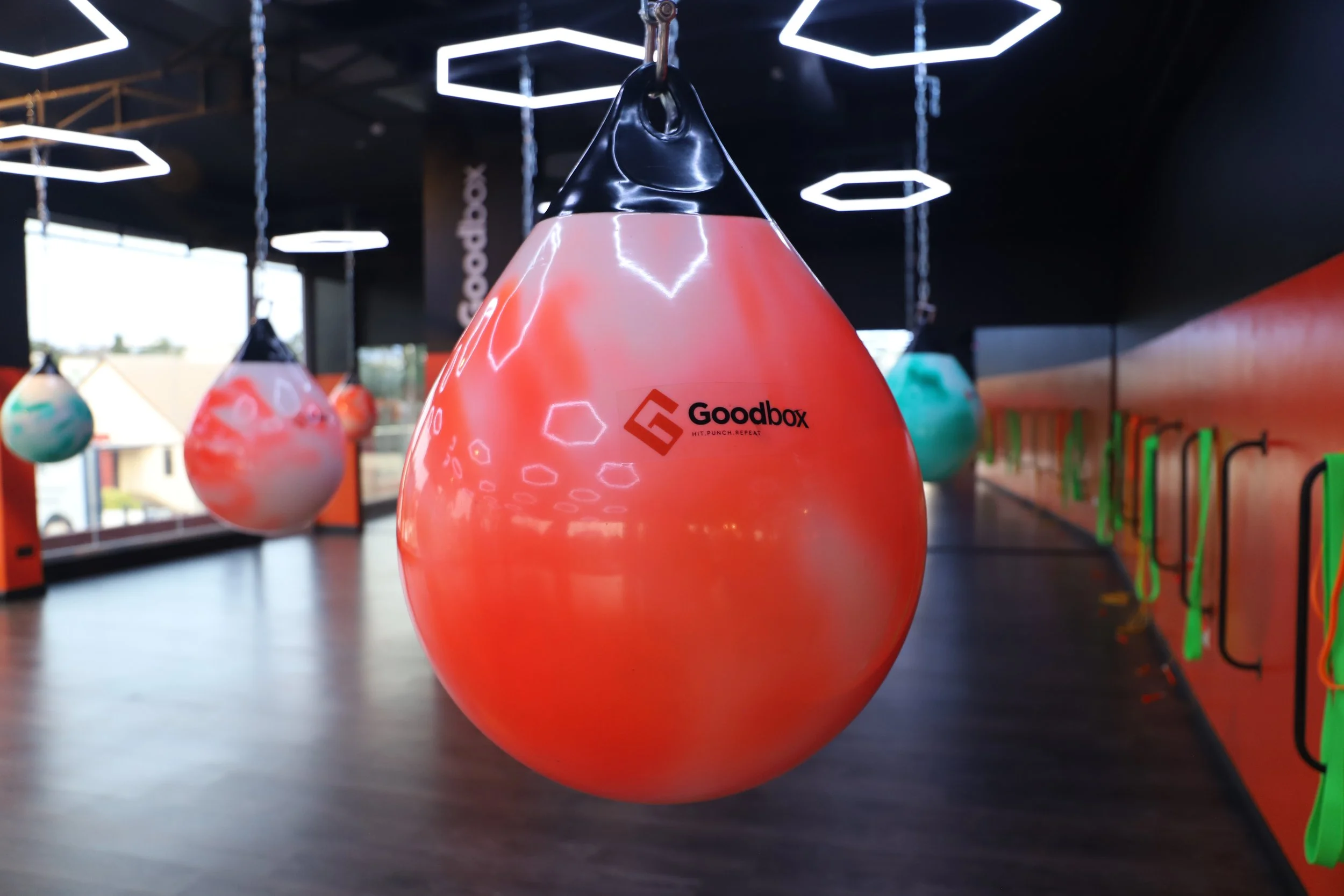
Boxing meets community at Goodbox Ghana, where fitness, rhythm and resilience come together in a high-energy studio built for every body.
Accra Hotlist – The best events in Accra
Gallery 1957 in partnership with Limbo Museum is proud to present On the Other Side of Languish, a solo exhibition by Reginald Sylvester II. On the Other Side of Languish – his first solo exhibition in Africa – brings together nineteen sculptures and seven paintings created during his residency program with the Limbo Museum, mapping six weeks spent in Accra.
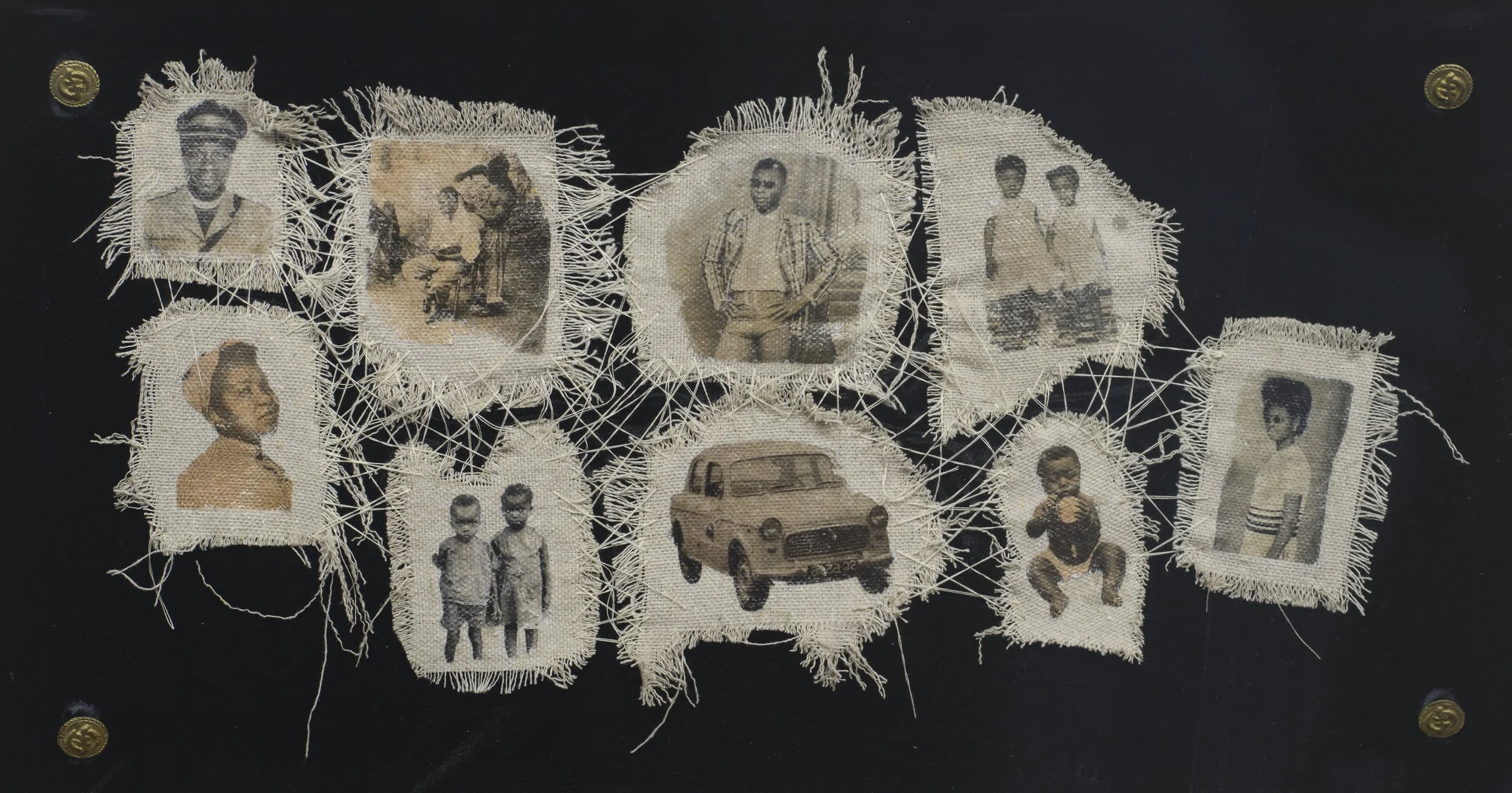
LIGHTYEARS OF US, is the inaugural solo exhibition by Ghanaian artist Denyse Gawu-Mensah, winner of the Yaa Asantewaa Art Prize 2024. The exhibition draws on Gawu-Mensah’s rich family archive of photographs from the 1960s and 1970s, depicting Ghana’s dynamic post-independence period, reconstructing personal and collective histories into tactile records of time. Working with image transfer techniques from digital collages Gawu-Mensah transforms vintage photographs into fragile yet enduring records of personal and collective history that she layers manually into textiles.
Almost a decade after inaugurating Gallery 1957 with his debut solo exhibition “My Mother’s Wardrobe” in 2016, Serge Attukwei Clottey returns to take over our 1,400 sqm Unlimited Gallery, presenting “[Dis]Appearing Rituals: An Open Lab of Now for Tomorrow” - the first and only solo exhibition ever held in this expansive venue.
Nubuke Foundation presents ‘Ending the Beginning’, an exhibition featuring the works of second-generation figurative coffin maker Eric Kpakpo and photographs by Regula Tschumi. Kpakpo’s practice—rooted in Ga funerary traditions and shaped by his apprenticeship with Paa Joe—extends the lineage of figurative coffin making through bold colour, hand-painted surfaces, and refined woodcarving. His forms speak to contemporary expressions of identity, memory, and community.
Latest Accra restaurant reviews
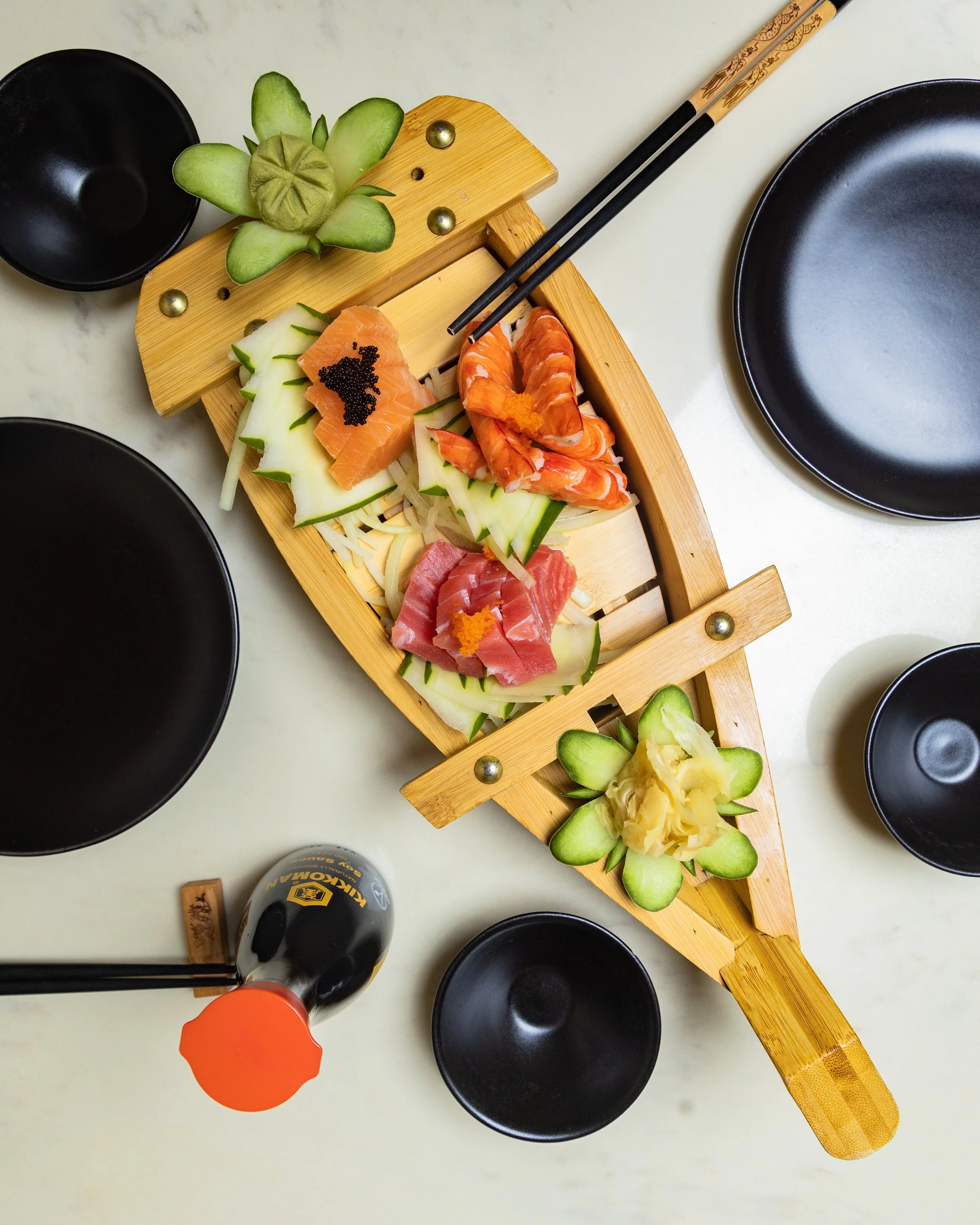
A slice of Tokyo tucked into a Melcom Mall, Wasabi offers a refined take on Japanese staples in a relaxed setting.
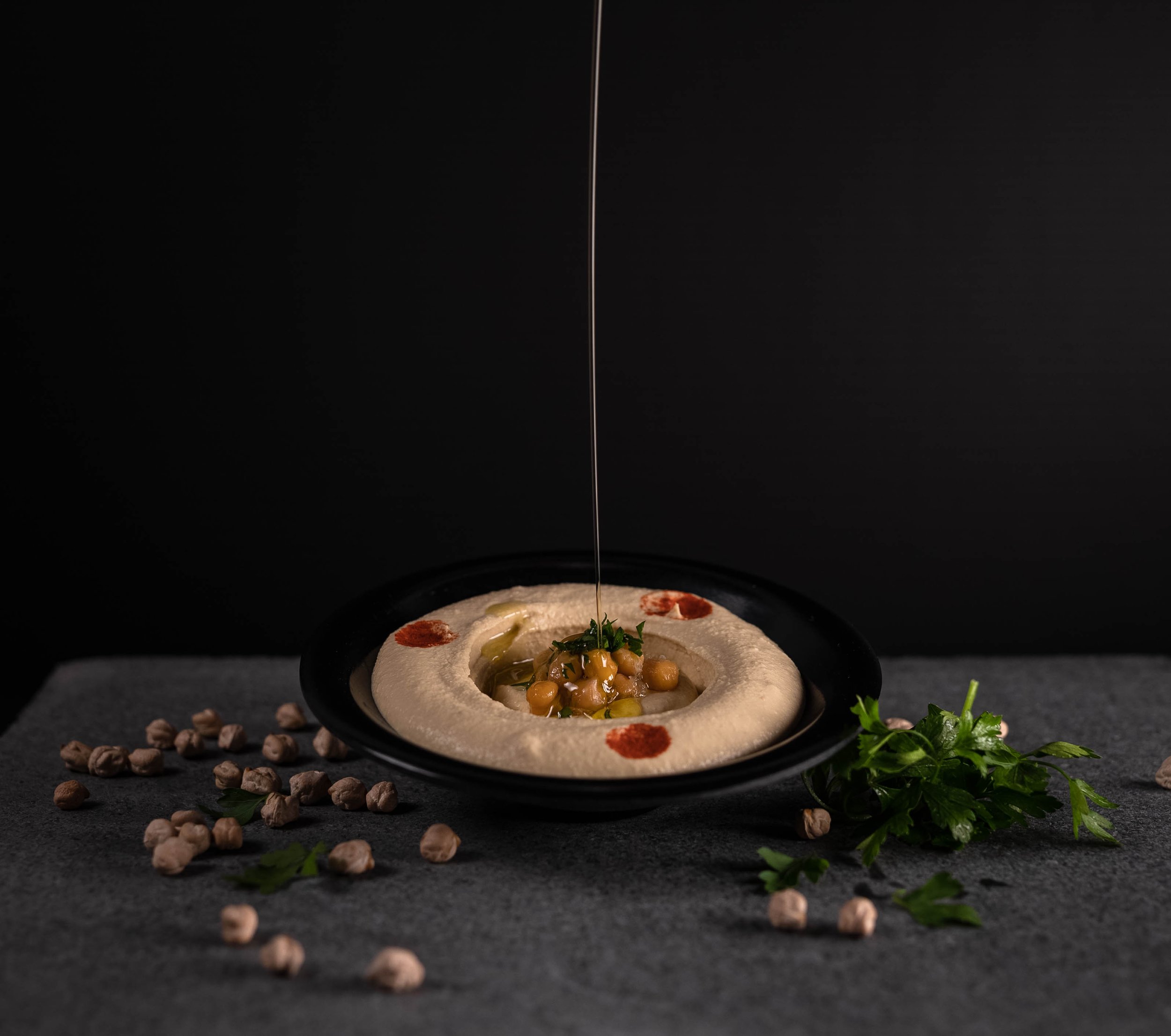
Tucked into Melcom Mall on Spintex, Hallab Gourmet 1881 brings a welcome burst of Levantine sunshine.
Bold is a beautifully designed all-day dining space housed in a striking atrium-style building.
In Where the Waters Meet, Otis Quaicoe returns to Ghana with a body of work that celebrates black leisure, joy, and the radical act of rest. Marking his first solo exhibition in his country of birth, this homecoming is also a meditation on water—its capacity to hold us, to offer respite, and its particular significance for black bodies navigating histories of exclusion and belonging. Here, pools and oceans become sites of reclamation, spaces where pleasure is not only possible but essential.