Castle at the edge of the sea
Christiansborg Castle in Osu was once closed to all but governors and heads of state. Today, it’s a public museum, a place where Ghana’s complex past, from the slave trade to independence, unfolds within its weathered white walls.
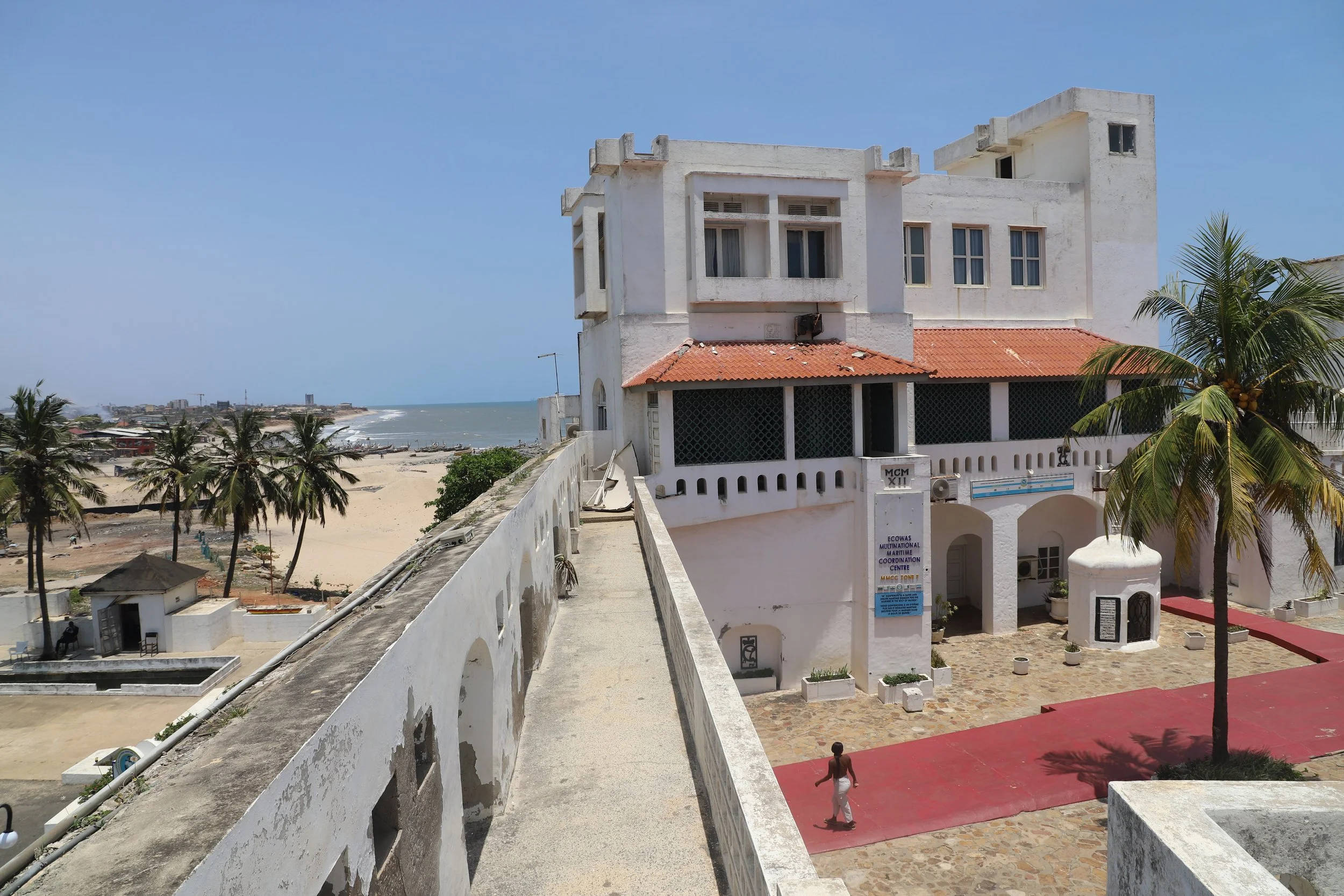
Osu Castle
Once the preserve of presidents and colonial governors, Christiansborg Castle in Osu, known to most simply as Osu Castle, is now open to the public, offering a rare glimpse into Ghana’s layered history.
For centuries, the white-washed fortress on Accra’s Atlantic shore was off-limits. From colonial administrators to post-independence presidents, power was concentrated behind its thick walls and arched gateways. But recent years have brought a quiet transformation, and it has fully opened its doors to visitors. Guided tours now lead guests through its courtyards, reception rooms, cells and gardens, revealing the site’s extraordinary sweep of history.
A turbulent history
The story of Osu Castle begins in 1659, when the Danes replaced an earlier Swedish trading post with a stone fort. They called it Christiansborg - “Christian’s Fortress” – in honour of King Christian IV of Denmark. Control changed hands repeatedly in the following decades: a mutiny in 1679 resulted in the commander’s assassination; the Portuguese briefly occupied and renamed it St. Francis Xavier; and then the Danes reclaimed it in 1683.
Ten years later, a local trader-turned-rebel, Chief Assameni of Akwamu, seized the castle after infiltrating the garrison as a cook. He ruled successfully for a year before selling it back to the Danes, notably keeping the keys, which are still held as royal regalia in Akwamu today.
The fort expanded as Danish traders shifted from gold to slaves. When Denmark abolished the slave trade in 1803, its economy faltered. In 1850, the castle was sold to the British. From 1876, British governors ruled the Gold Coast colony from its chambers; after independence, Ghana’s presidents did the same. The seat of government later moved to the Jubilee House, leaving Osu Castle to take on a new role as a museum and site of reflection.
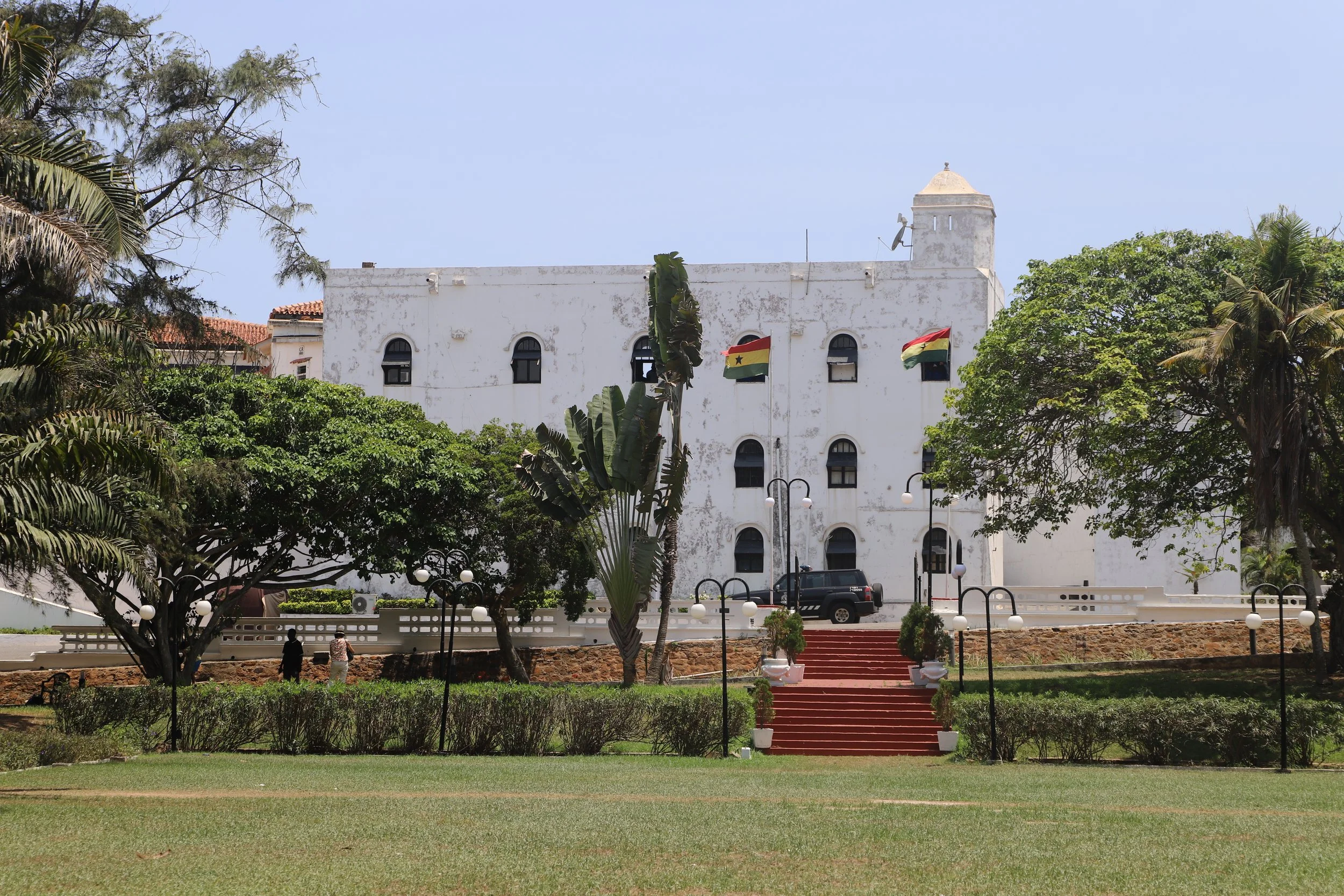
Osu Castle
Walking through history
Tours trace the castle’s evolving purpose from commerce to colonialism, politics to preservation. Visitors can see rooms once used by British officials and Ghana’s early presidents, slave dungeons leading to the harrowing Door of No Return, and a small chapel still occasionally used for Anglican services. The botanical gardens are open for strolls, and you can wander down to the beach for views over the Gulf of Guinea.
Inside, displays of great Ghanaians such as Efua T. Sutherland and Azumah Nelson sit alongside photographs of international dignitaries who visited the castle during its political era. Nearby archaeological digs reveal artefacts from centuries of trade and conflict, deepening its connection to the wider story of the Atlantic world.
Whether approached as a monument, a museum or a meditation on history, Osu Castle remains a compelling place to stand — where Ghana’s past and present, power and people, still meet beside the sea.
Osu Castle is open 9am to 4:30pm daily.