Highlife Rewired: Ghana’s 1980s dancefloor revolution
Soundway’s new compilation, Ghana Special Vol. 2, captures the electric moment when drum machines, diaspora, and postcolonial optimism collided, and remade Ghanaian music forever. Daniel Neilson speaks to co-curator Jeremy Spellacey
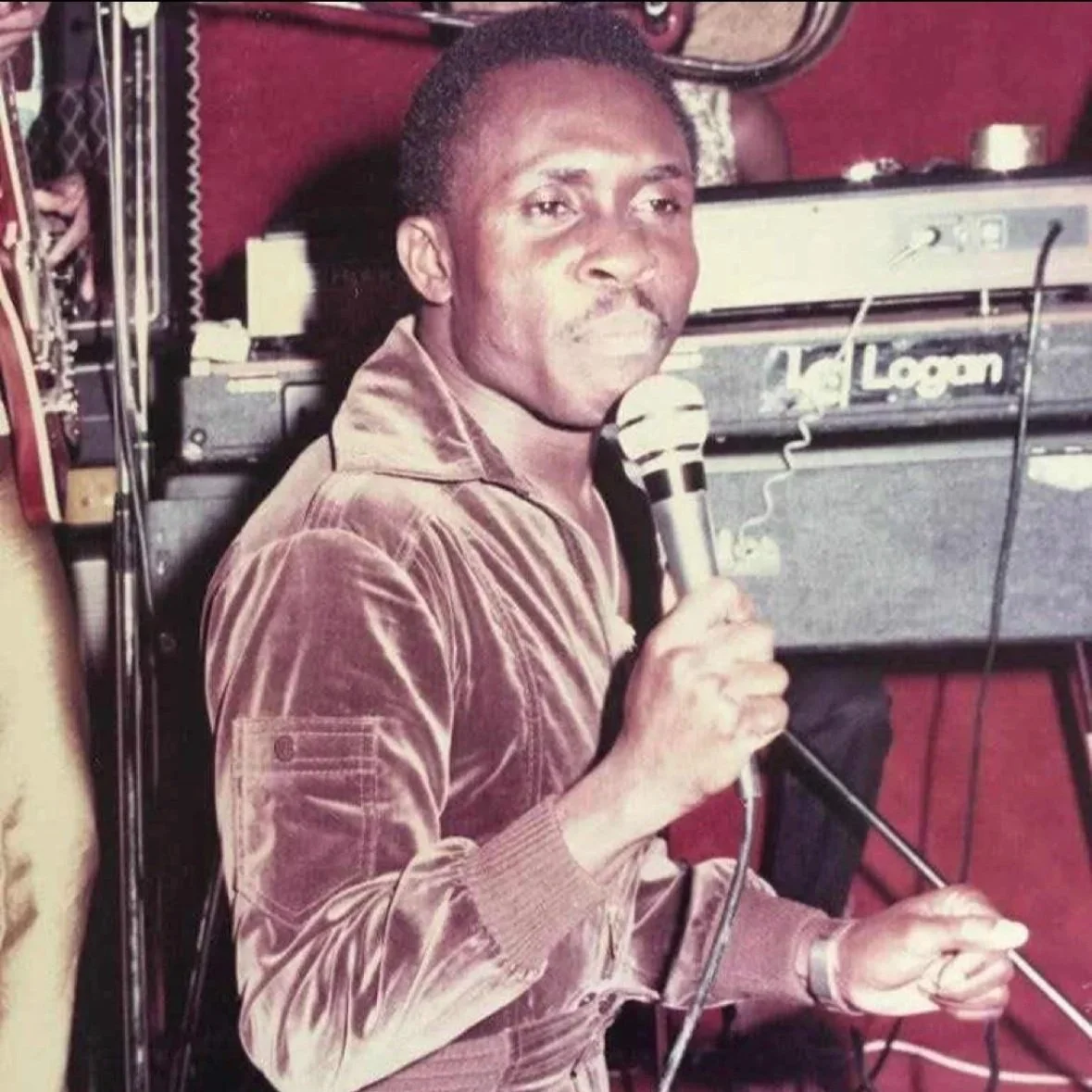
Andy Vans
In the early 1980s, Ghana’s music scene stood at a crossroads. Political upheaval and mass migration were reshaping society, while a new generation of artists was picking up synthesisers and drum machines for the first time. The result was a hybrid sound that shimmered with possibility, a new kind of highlife that fused traditional rhythms with R&B, disco, boogie and European new wave.
“It was an incredibly fascinating story,” says Jeremy Spellacey, curator of Ghana Special 2: Electronic Highlife & Afro Sounds In The Diaspora, 1980-93, the new 18-track compilation from Soundway Records.
The starting point was Burger highlife, a genre born from the Ghanaian exodus during the coups of the late 1970s and early 1980s. “There was a mass exodus, particularly with musicians,” Spellacey explains. “And because there were geopolitical influences as to why the music was birthed. Germany at the time had quite lenient immigration laws. So a lot of Ghanaians ended up in Germany, Hamburg in particular.”
When those expatriate artists returned home to visit, they were dubbed Burgers, shorthand for “Hamburgers”, after the German port city where many had settled. “These musicians were blasted with foreign music all around them, but also to foreign studios, producers and musicians.”
In her sleeve notes, Ghanaian journalist Sarah Osei wrote: “In studios across Europe and North America, Ghanaian musicians navigated the confluence of highlife, disco, house, funk, boogie, R&B, and many more genres. No sound seemed out of bounds for the experimental recordings that were being concocted. Notably, melodic progressions were extended beyond the rules of highlife, embracing influences and recording practices from all corners of Western pop music. Those references helped connect and promote highlife to a whole new audience. The music was in constant dialogue with itself.”
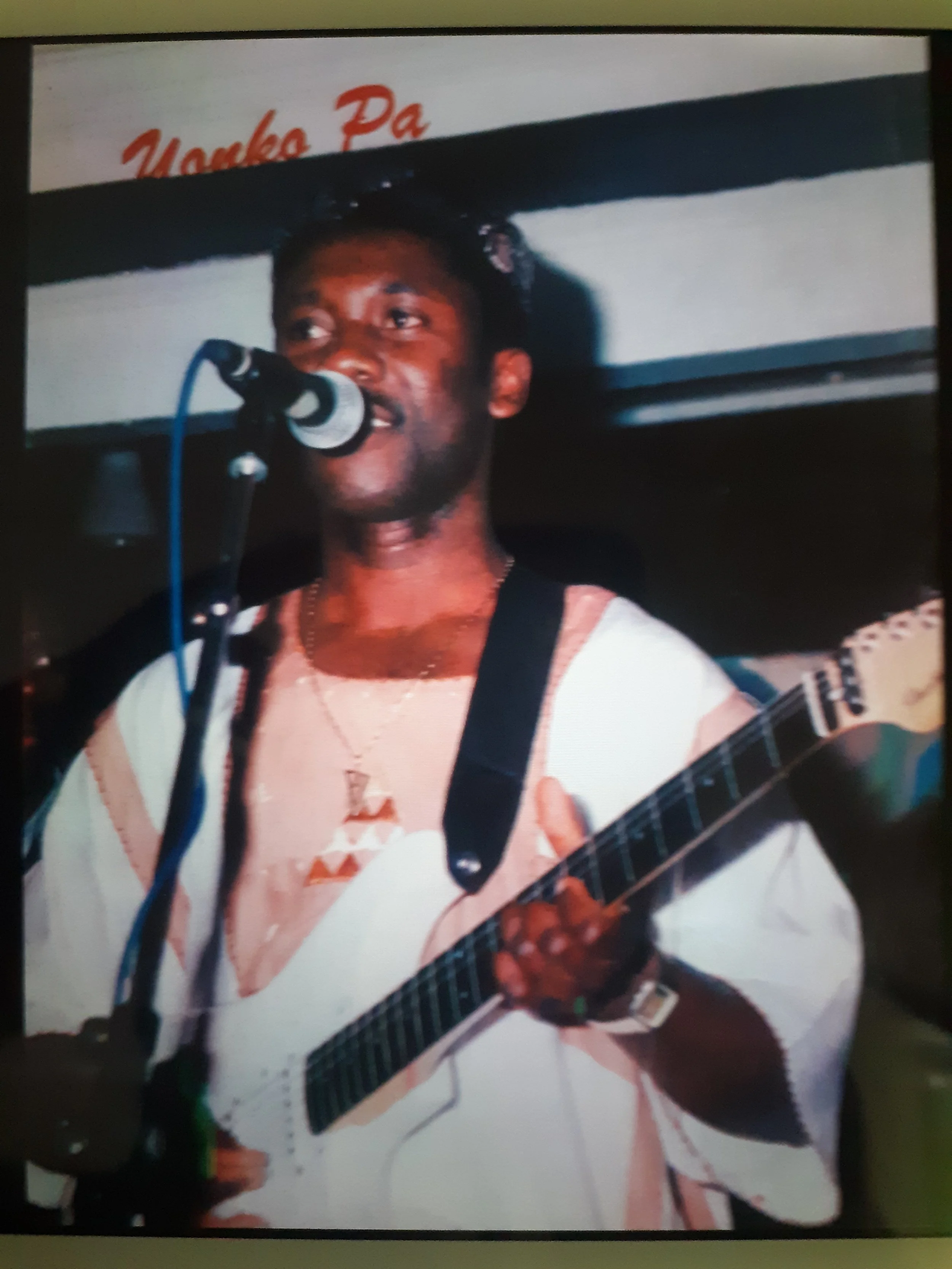
Nana Budjei
Curating an era
“It took us something like two years to license the full release,” Jeremy admits. “It’s a very time-consuming and difficult task. I mean, social media makes it much easier these days, but it was still tough.”
For Jeremy, who began his career as a DJ and record shop owner before turning his ear to curation, this web of connections was a pleasing challenge. “I was a DJ for many years, and a crate digger,” he says. “I was always looking for the sort of fresh, unknown kind of record that no one’s ever heard of before.”
Piece by piece, the project came together. “Once you’ve made those first connections, you start to gain momentum,” Jeremy says. “Because the scene back in the 1980s, it was small, but once you got in, people wanted to help tell the story.”
A key breakthrough came from collaboration with Ghanaian journalist Sarah Osei. “We got a local journalist and she was great,” he says. “She did a really fantastic job. I gave her contacts of some of the artists involved and she called them up and interviewed them.”
The result is her comprehensive sleeve notes, including quotes from burger Highlife legend Charles Amoah, whose track Fre Me (Call Me) channels disco. He told Sarah: “My philosophy was to please the world, that was the idea. In fact, what you guys call ‘burger highlife’, I called ‘ethnopop’.”
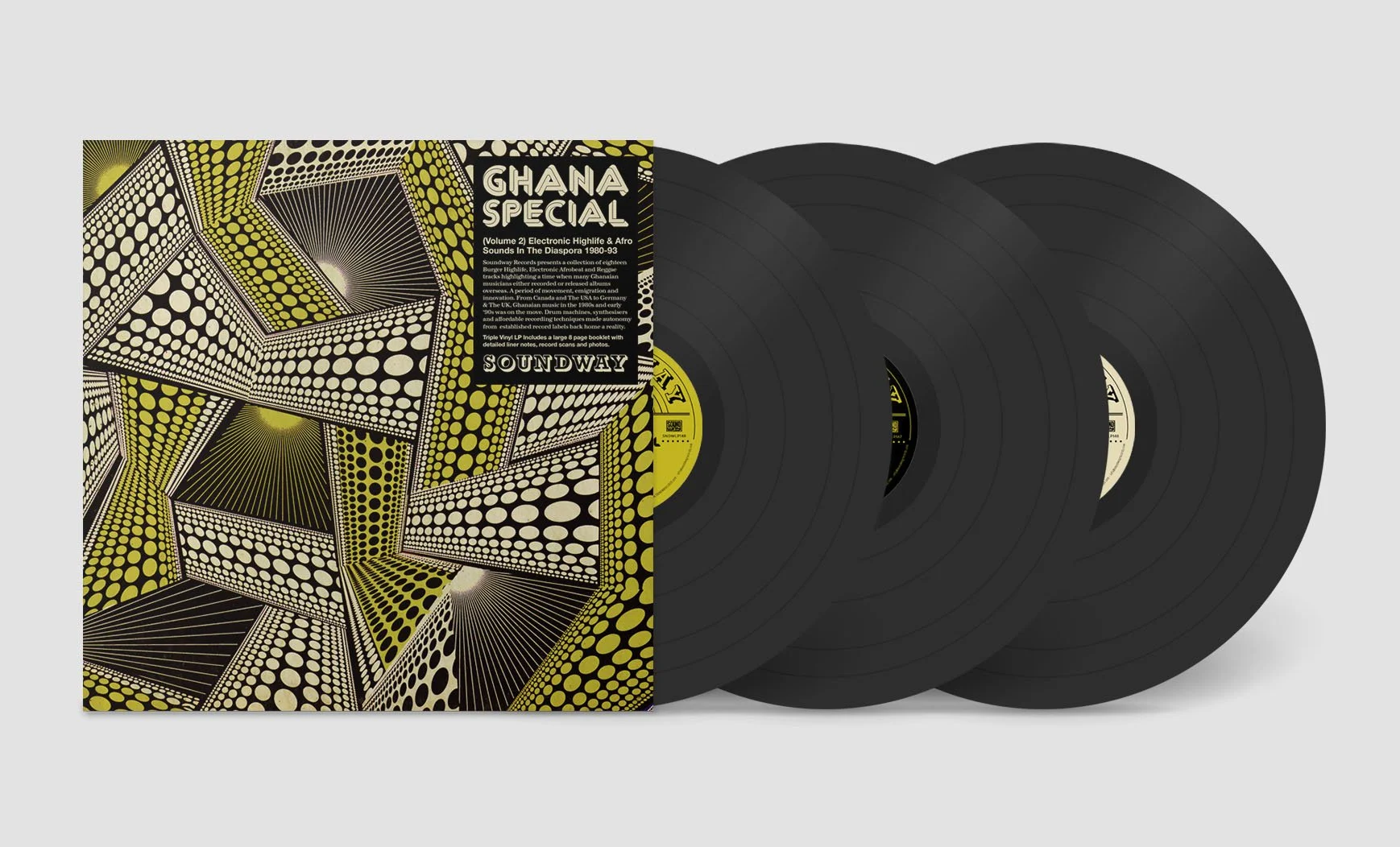
Soundway’s approach has always been both musical and archival. This compilation follows the success of Soundway’s landmark releases Ghana Soundz and 2009’s Ghana Special: Modern Highlife, Afro Sounds & Ghanaian Blues 1968–1981. This new compilation moves the story forward, spotlighting the multifaceted, diasporic sounds of the 1980s.
“If you look at most of the compilation releases Sandway has released,” says Jeremy. “You’re looking at a region and an era, and you’re trying to represent that region and era in the best way possible. It’s important to have George Darko, Pat Thomas and Gyedu-Blay Ambolley represented on the release to give context. But also to include the more maligned, independent stuff, because that’s part of the story too.”
“These projects tell a story that really needs to be told,” Jeremy says. “As much as we are a record label, we’re publishing a document in a way that can be referenced for years to come.”
Soundway, founded by Miles Cleret in 2002, helped kickstart a global reappraisal of African popular music through its Ghana Soundz compilation. “Miles really paved the way,” Jeremy says. “It was a trendsetter. Ghana Soundz was groundbreaking at the time.”
Two decades on, Ghana Special 2 continues that work, not just as a compilation, but as a cultural document, an archive of innovation and optimism.
“This music came from a moment of change,” Jeremy reflects. “There was upheaval, yes, but also this incredible sense of possibility. These musicians were bridging worlds, and I think you can still feel that energy in every track.”
It’s an energy that still echoes today. “You had West African musicians who were pioneering new sounds at the time,” Jeremy says, “and they were paving the way for Afrobeats artists of today who are creating their own sound and evolving music through their upbringing, culture and the technology they have available to them.”
Sarah Osei agrees: The evolution of highlife permanently opened the floodgates for a future of Ghanaian music steeped in fusion – and continues to exert massive influence on African pop music today. This fleeting and unique microcosm of Ghanaian music ultimately gave way to entirely new hybrids like hiplife (a fusion of highlife and hip-hop popularised in the early 2000s) and Ghanaian Afrobeats further down the line.
Ghana Special 2: Electronic Highlife & Afro Sounds In The Diaspora, 1980-93 is out now on Soundway Records.