Asante Goldweights
Once overlooked by collectors, Asante goldweights are now recognised as some of West Africa’s most distinctive artistic creations – miniature brass masterpieces that tell the story of power, trade and ingenuity. All images from African Goldweights.
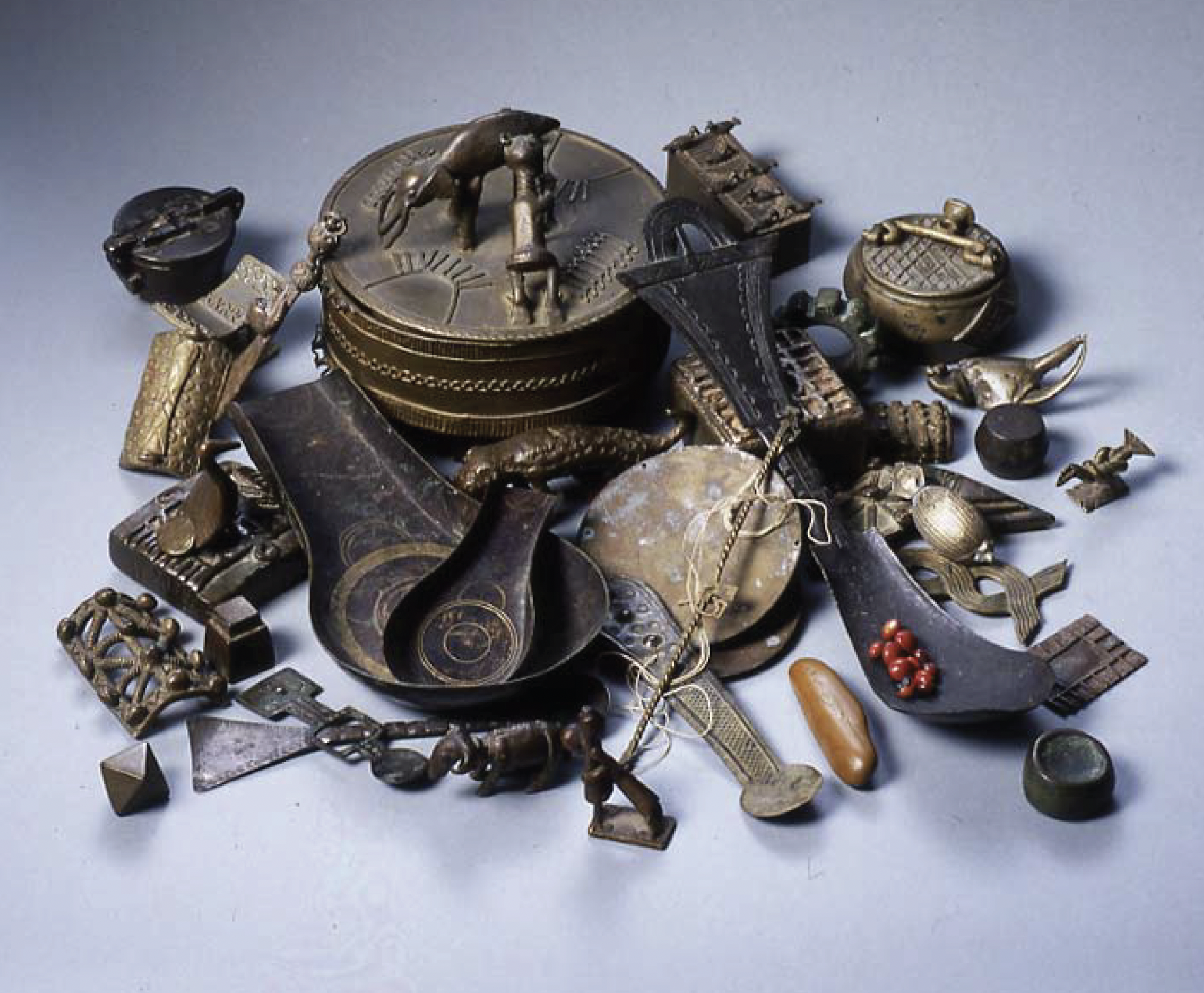
The brass weights once used to measure gold dust in the Asante Kingdom between the 15th and 19th centuries come in a dazzling array of designs. Though created for practical purposes, they reveal an extraordinary level of artistry and individuality.
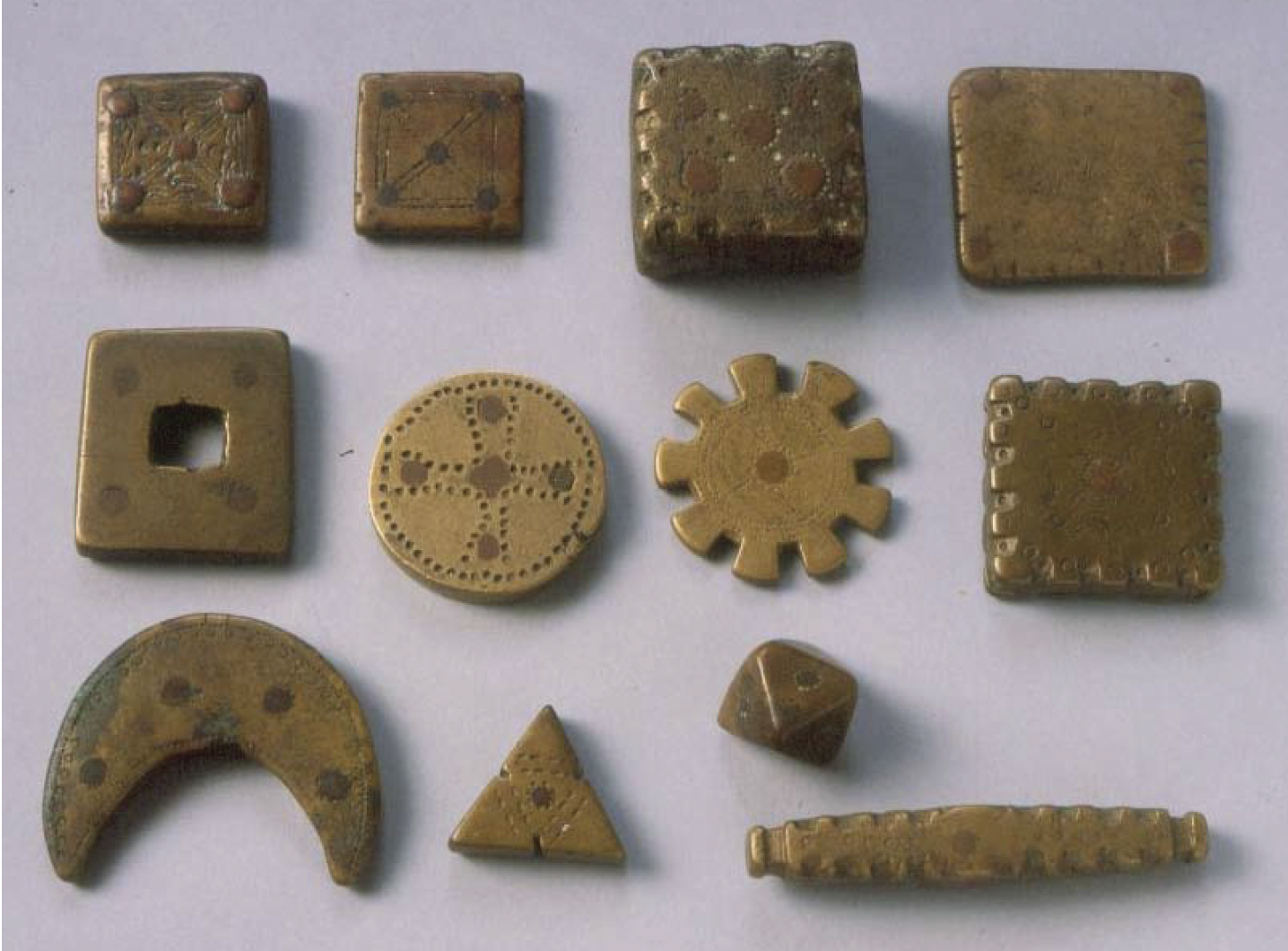
Early pieces, influenced by Islamic designs of the 16th century, show geometric precision, while later examples reflect the creativity of the goldsmiths who made them. Birds, beetles, tortoises, shells, fish and human figures appear across countless variations – some eating or playing music, others weighing gold. Many are decorative representations or visual proverbs, often marked with intricate patterning.
For centuries, these objects were dismissed by ethnologists and art collectors, seen as too ordinary or functional to warrant attention. Yet their cultural and artistic value is immense. Asante goldweights are among the few surviving examples of precolonial African art made for secular, not ritual, use.
The Asante, part of the Akan ethno-linguistic group of modern Ghana, built one of West Africa’s most powerful kingdoms under Osei Tutu in the 1670s. With Kumasi as its capital, the confederacy expanded rapidly through trade in gold and alliances with European merchants. By 1750, the Asante empire stretched across much of present-day Ghana and Ivory Coast.
Conflict with the British in the 19th century culminated in the War of the Golden Stool. The stool, said to have descended from the heavens into Osei Tutu’s lap, remains the central symbol of Asante unity and identity. When the British governor demanded to sit on it in 1900, the affront triggered a rebellion that ended with the Asante’s defeat and their incorporation into the Gold Coast.
With the decline of gold dust as currency, goldweights fell out of daily use but continued to hold symbolic and familial importance. As Tom Phillips, a leading collector and author of African Goldweights, observed: “It would not be uncommon, as the Asante began to flourish as a nation in the early 18th century, for the head of a family to have a few dozen weights at least.”
Today, goldweights can still be found in markets and collections across Ghana and beyond. Small, intricate and steeped in meaning, they remain tangible reminders of the artistry, sophistication and economic power of the Asante world.